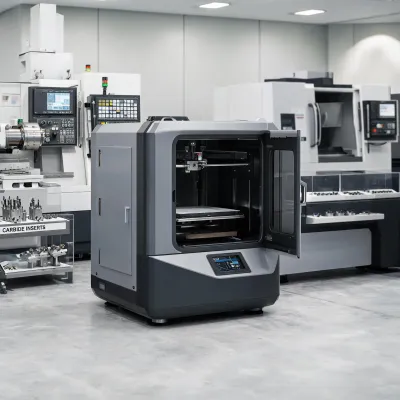
3d printer
Ask for fit, holder interface, material notes, and quote documentation before the order is placed.
Use the live product feed below to review available groups. Each product card opens an RFQ conversation so the quote can include machine context, holder interface, material, and documentation needs.
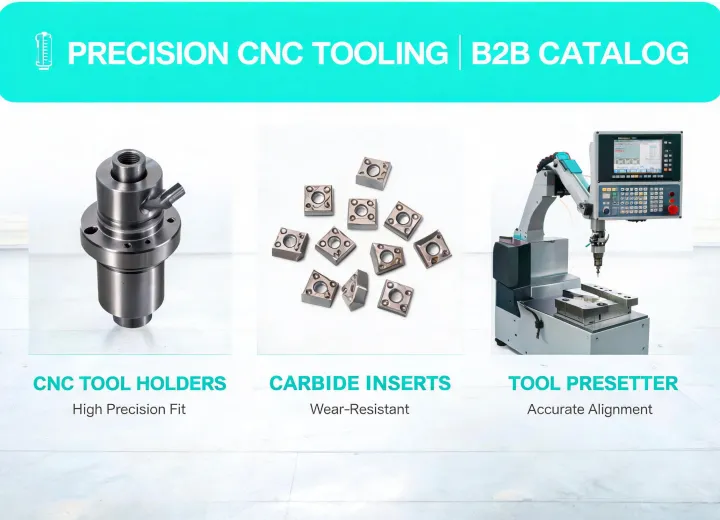
Choose a product and send the operation context. Seco Tools will help confirm assumptions before purchasing.
Ask for fit, holder interface, material notes, and quote documentation before the order is placed.
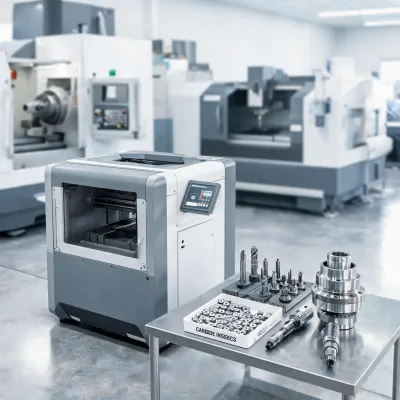
Ask for fit, holder interface, material notes, and quote documentation before the order is placed.
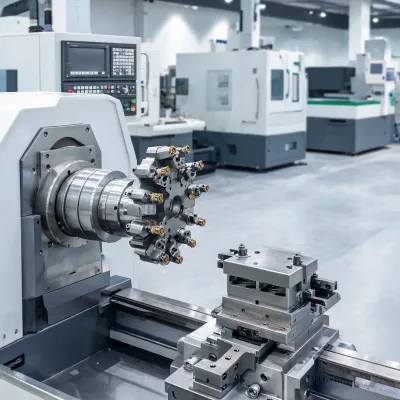
Ask for fit, holder interface, material notes, and quote documentation before the order is placed.
A tooling catalog is most useful when it is connected to the operation on the shop floor. Before sending a request, note the material family, machine model, spindle interface, tool overhang, target finish, tolerance concern, coolant condition, and whether the line item is for a prototype, pilot lot, or repeat production. Those details help Seco Tools separate a likely standard selection from a setup that needs holder review, alternate insert geometry, workholding comments, or additional documentation.
If a product card is only a starting point, that is acceptable. Use the form to describe the current problem: chatter, poor chip evacuation, premature edge wear, surface marks, burrs, tool breakage, or an approved substitute list that has become hard to maintain. The RFQ desk can then respond with the assumptions behind the recommended route instead of returning a code that looks complete but leaves the buyer to discover the risks later.
For repeat purchasing, include any accepted substitute rules, previous purchase order references, packaging needs, and delivery constraints. For new programs, include the drawing revision, first build timing, expected annual usage, and whether quality needs a short inspection note or a fuller documentation pack. These details make the catalog more than a browsing page; they turn it into a controlled handoff between machining, engineering, purchasing, and quality.