RFQ Intake
Gather print, material, operation, machine, volume, finish, and buyer constraints.
Start →Seco Tools organizes the intake, pairing, review, documentation, and repeat-order path so your team can make decisions with fewer unclear catalog substitutions.
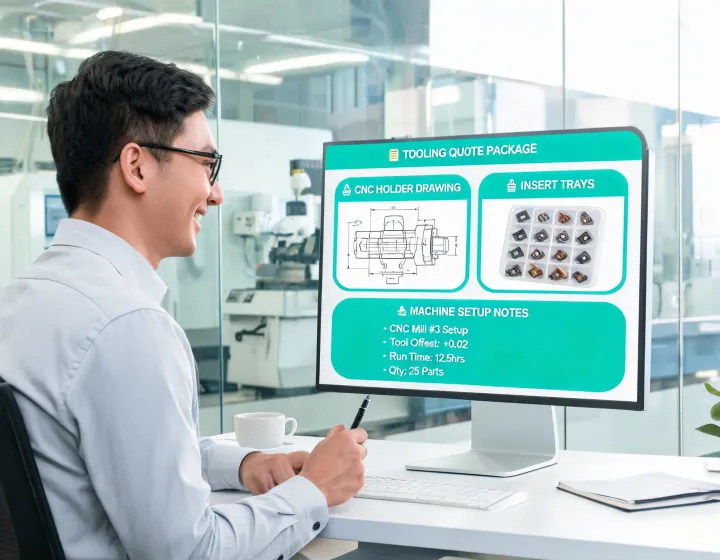
Gather print, material, operation, machine, volume, finish, and buyer constraints.
Start →Match insert, holder, adapter, coolant, and workholding assumptions.
Start →Flag reach, runout, chip evacuation, finish, and tolerance risks before purchase.
Start →Separate included items, open assumptions, lead time, and purchasing notes.
Start →Convert accepted orders into reference kits for future replenishment.
Start →Planning counts are internal RFQ organization references as of 2026-05 and are used to scope buyer conversations, not to promise universal availability.
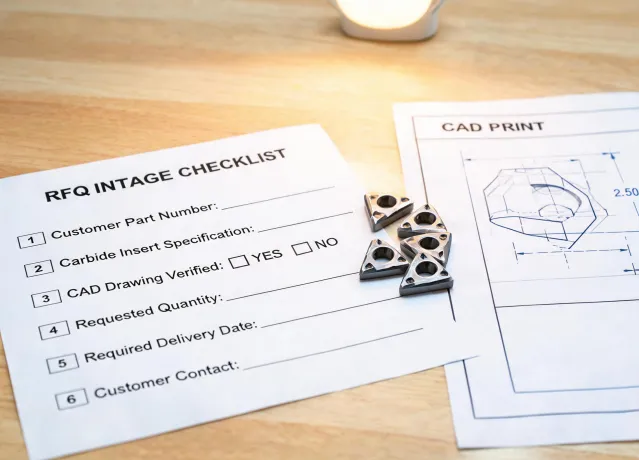
The first review captures machine model, spindle interface, material, tolerance, finish target, coolant, operation type, expected quantity, and needed date. That prevents a quote from being reduced to a catalog number that may not fit the workcell. If a buyer lacks details, the response lists what is assumed and what still needs confirmation.
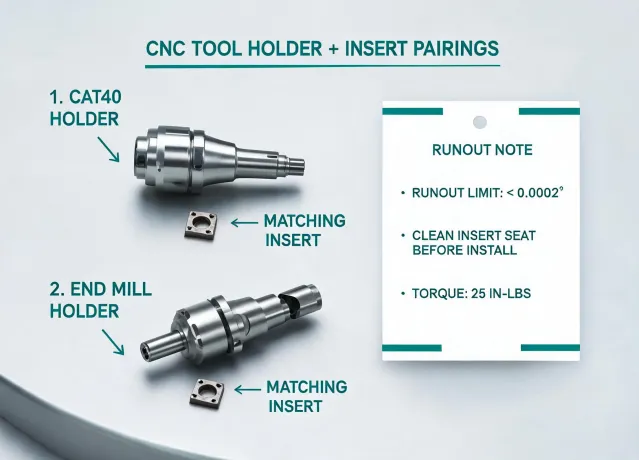
Inserts, holders, collets, adapters, soft jaws, coolant-through options, and presetting accessories are reviewed as a system. The goal is not to hide complexity. It is to make each dependency visible enough for purchasing, machining, and quality teams to discuss before a purchase order is released.
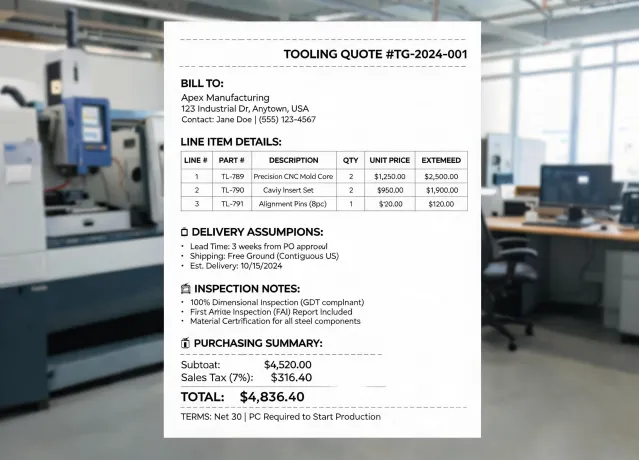
A quote package can include recommended tools, alternates, holder interfaces, delivery assumptions, included documentation, excluded services, and notes for repeat orders. The response avoids absolute promises such as universal fit or lowest price. Instead, it describes the known inputs and the checks still required by the buyer.
Send STEP, PDF, catalog codes, operation notes, or a short message. The RFQ desk accepts partial information and marks gaps clearly.
Application review focuses on machine, reach, material, coolant, tolerance, finish, quantity, and commercial timing.
Recommended tooling, alternates, documentation options, and buyer assumptions are grouped into a readable response.
Accepted selections can become a reference kit for future replenishment, reducing repeated setup questions.
For complete intake notes, the first clarification or quote path is usually organized within the next business cycle. Complex setups, substitute approvals, or custom fixtures may need additional review.
Yes. Include the old codes, machine context, failure mode, and target improvement. The reply can identify likely substitutions or missing setup details.
Where needed, the quote can include FAI-ready notes, material trace expectations, and inspection checkpoints. Final acceptance criteria remain buyer-controlled.
Use the message field for machine model, material, insert problem, or holder concern. Seco Tools will help shape the next set of questions.