Track the failure mode, not just the tool code
Edge chipping, notch wear, built-up edge, thermal cracking, and poor evacuation point to different corrective actions.
Responsible tooling is not a slogan. It is the practical work of reducing avoidable scrap, excess freight, idle tools, unclear substitutions, and repeat quote confusion.
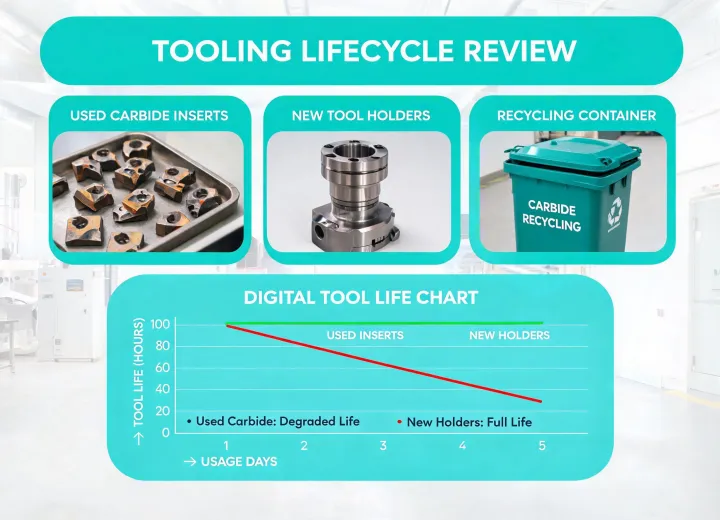
A tooling quote affects more than the first purchase price. If a holder is mismatched to the machine, the team may lose setup time. If an insert is selected without material and coolant context, tool life may vary too much to plan. If the quote does not capture accepted substitutes, a repeat order can become a new engineering conversation. Seco Tools helps buyers document the assumptions that influence those outcomes.
The sustainability value is practical and measurable at the program level: fewer rushed replacements, clearer replenishment, better insert utilization, cleaner packaging decisions, and fewer avoidable shipments caused by incomplete requirements. Seco Tools does not claim zero waste or universal carbon reductions from a website quote. Instead, the team helps surface the decisions that a buyer can actually control before the purchase order is released.
For many teams, the first step is simply recording the baseline. What material is being cut? What finish is required? Which edge fails first? How many parts are produced per edge under the current setup? Which coolant and fixture conditions are stable? Those facts help a tooling advisor compare options without turning the conversation into guesswork.
Edge chipping, notch wear, built-up edge, thermal cracking, and poor evacuation point to different corrective actions.
A tool that runs faster may still be the wrong choice if the accepted finish or deburring requirement changes downstream labor.
Approved substitutes reduce emergency freight and late requalification conversations when a preferred line item is constrained.
Small-batch packaging may be sensible for prototypes but inefficient once replenishment becomes predictable.
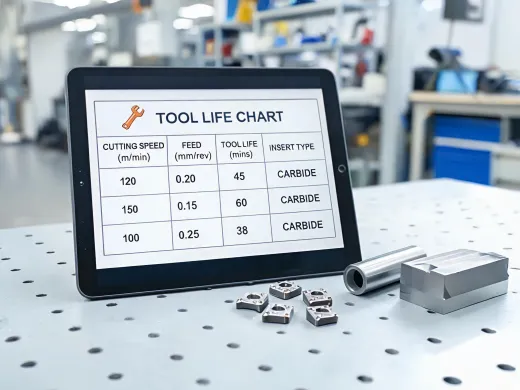
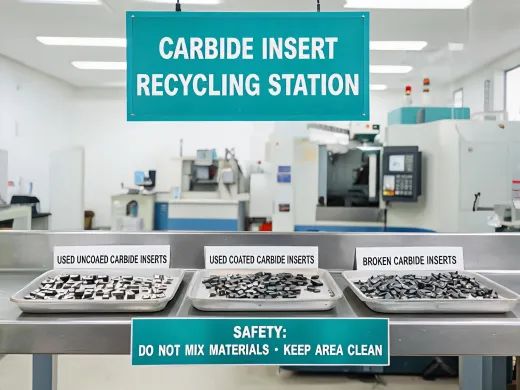
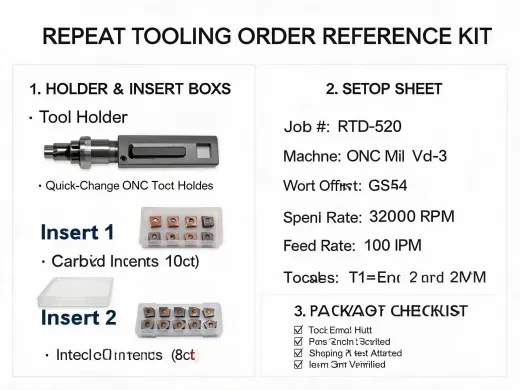
Send your current line item, material, and wear pattern. Seco Tools can help turn a replacement order into a more useful decision file.